 Dear friends,
Welcome back to Brown! I am writing to you from the new home of the Center for Middle East Studies in Wilbour Hall, which has undergone an extensive renovation this summer as part of our move out of the Watson School. The new headquarters – which are located next door to Rockefeller Library at the heart of the Brown campus – include offices for CMES faculty and staff as well as classrooms and event spaces. I’m very grateful for the dedication of our team and our campus partners who worked through the summer to get Wilbour ready by the start of the fall semester. I hope you will drop by this year to check out our new home. We are looking forward to showing it off!
Among the many opportunities opened up by the move to Wilbour Hall was the prospect of bringing the Middle East language programs (formerly housed at the Center for Language Studies) and CMES together under one roof. After a broad feasibility study conducted with the Dean of the Faculty over the last academic year and many discussions with our teaching faculty in Arabic and Persian language, the decision was taken to move forward with this ambitious merger. Our goal is to deepen the strong ties between the language programs and CMES, broadening the range of opportunities for our students to immerse themselves in the rich linguistic, cultural and literary worlds of this region.
In the area of event programming, there is a lot of exciting news to share about the upcoming year. Some highlights include a new research initiative titled “A Seat at the Table: Making Space for the Middle East and North Africa in Global Food Studies,” which will explore the history, politics and culture of food in this region. A one-day workshop will bring scholars in this field to Brown to present their research and an edited volume is already in the works. In the Spring semester, the pioneering epigraphist and philologist Ahmad Al-Jallad will be in residence at CMES, co-organizing a workshop on script change in the ancient Near East with Felipe Rojas and me. In addition we have several invited lectures planned by scholars such as Bernard Haykel, Esmat Elhalaby, Vali Nasr, Deren Ertas, Shohini Chaudhuri, and Ibtisam Azem. The annual Mahmoud Darwish Lecture in Palestinian Studies will be delivered by the novelist, translator and scholar Sinan Antoon on October 15.
Finally, I’m delighted to welcome to our campus community Mahbubeh Moqadam, the Omar Khayyam Postdoctoral Research Associate in Iranian Studies. Dr. Moqadam’s research explores the sociology of gender, digital activism, youth studies and feminist theory, with a focus on contemporary Iran, a topic of particular relevance in the present moment. We also welcome back Orwa Switat, the Postdoctoral Research Associate in Palestinian Studies, who will be spearheading several events related to urban planning and spatial justice.
With best wishes for a year of inspiring possibilities,
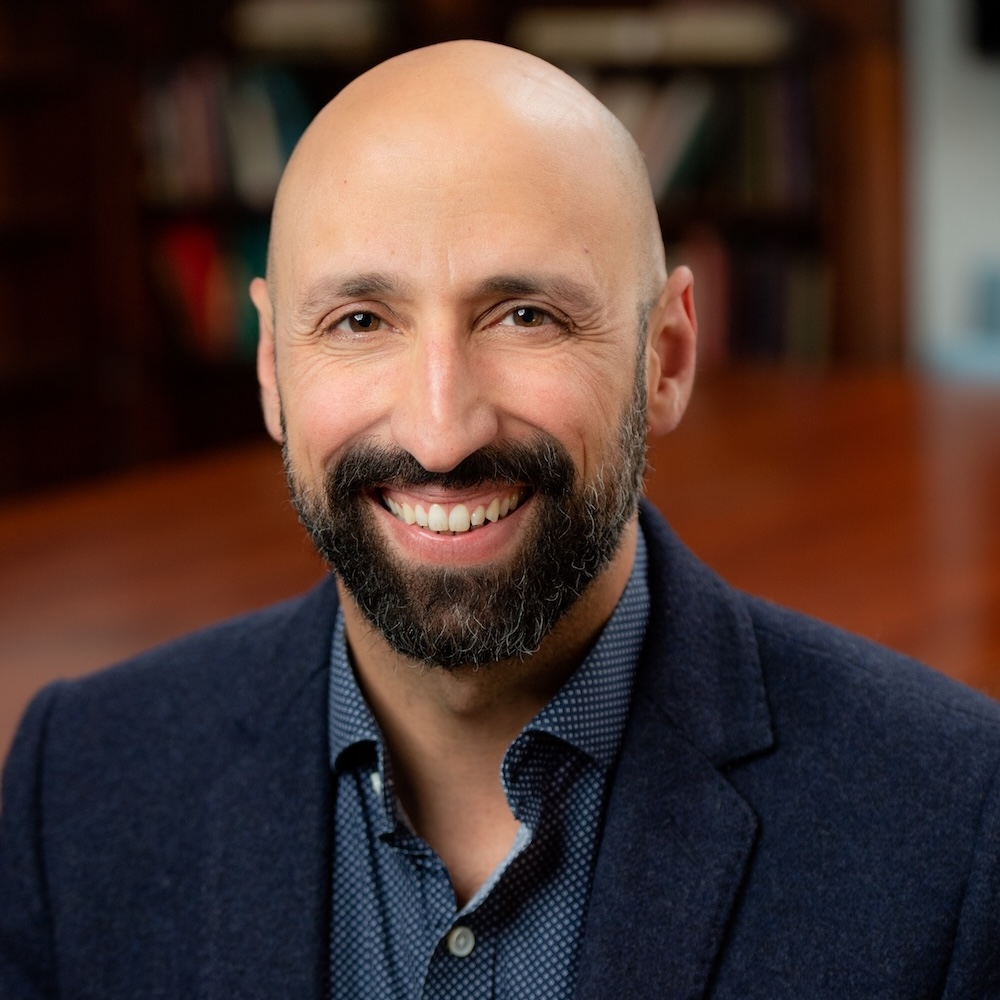
Elias Muhanna
Director, Center for Middle East Studies